Buyer Demand and Preapproved Buyer Supply Are What Really Drive Offers, Not Open Houses
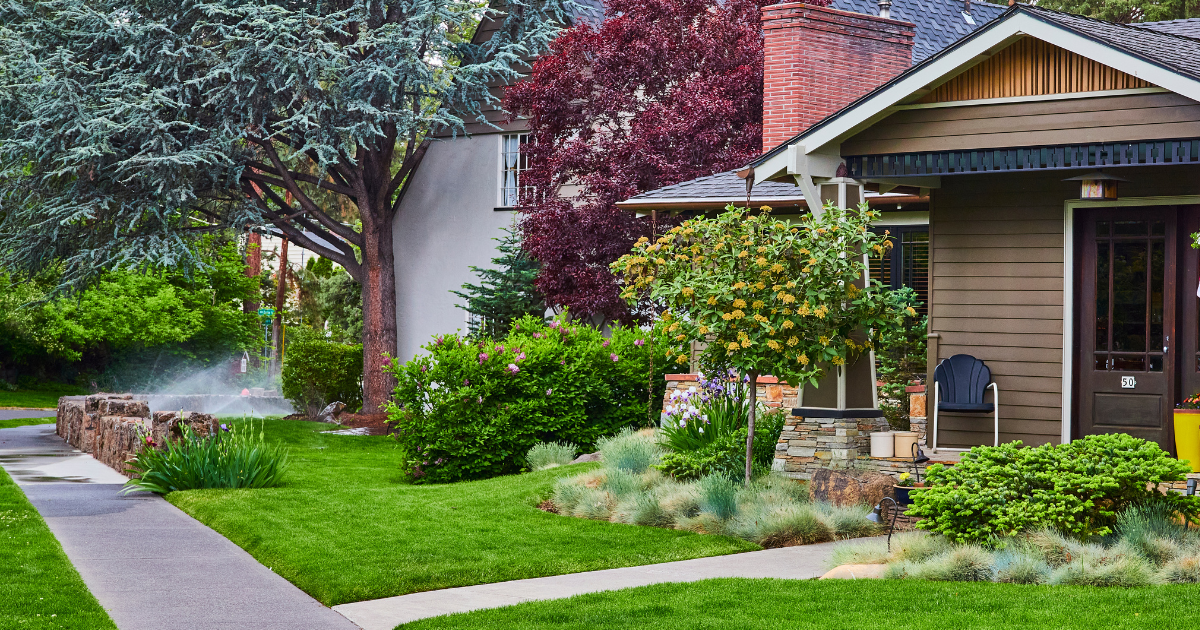
For years, sellers have been told that open houses are an essential part of selling a home. The idea sounds simple. Open the doors, let buyers walk through, create buzz, and wait for offers.
But in today’s real estate market, that is not how serious buyers usually behave.
Serious buyers are not waiting for Sunday afternoon to discover homes. They are searching online, reviewing photos, watching videos, checking payment estimates, studying comparable sales, and scheduling private showings for the homes they are actually interested in.
So sellers need to ask an important question.
Who is the open house really helping?
In many cases, the answer is uncomfortable. The open house helps the agent more than it helps the seller.
Open Houses Are Often Lead Generation Events
Open houses are one of the easiest ways for agents to meet unrepresented buyers. A buyer walks in, signs in, chats with the hosting agent, and suddenly the agent has a new lead.
That buyer may not be preapproved. They may not be ready to buy. They may be six months away from making a real decision. They may not even be interested in the house where the open house is being held.
But that does not mean the agent sees the event as a failure.
If the agent meets a future buyer and eventually takes that buyer to other properties, the open house has served the agent’s purpose. It just may not have served the seller’s purpose.
That is the distinction sellers need to understand.
Your home should not be used as a lead generation magnet unless there is a clear, measurable benefit to you.
Our Team’s Real Data Shows the Problem
This is not just theory. Our own real estate team has tracked the results.
In 2025, our team produced only two real offers from people we met through open houses. But even those offers were not written on the homes where the open houses were held. The open house simply created the buyer relationship, and those buyers later wrote offers on different properties.
That means the open house helped create buyer leads, but it did not directly sell the seller’s home.
In 2026, our team has produced zero offers from open houses.
Zero.
That is the number sellers should care about.
Because activity is not the same as results. Foot traffic is not the same as qualified demand. A sign in sheet is not the same as an offer.
If an open house creates leads for the agent but does not produce offers for the seller’s property, then sellers have every right to question the value.
The NAR Settlement Has Changed Buyer Behavior
The industry has also changed since the NAR settlement.
As of August 17, 2024, MLS participants working with buyers are required to have a written agreement with the buyer before touring a home, including in person and live virtual tours. That requirement was designed to create more transparency around buyer representation and compensation.
But one side effect is that some buyers now see open houses as a way to browse without committing to a buyer representation agreement.
Instead of sitting down with an agent, discussing agency, reviewing compensation, getting preapproved, and signing a representation agreement, some people are using open houses to casually tour homes with no commitment.
That may feel convenient for the buyer. It may create a lead opportunity for the agent hosting the open house.
But it does not automatically help the seller.
A seller does not need more casual browsers walking through the home. A seller needs serious, qualified, motivated buyers who are ready to act.
National Buyer Data Supports the Same Conclusion
The national data also shows that buyers are not primarily finding homes through open houses.
According to the National Association of Realtors’ 2025 Profile of Home Buyers and Sellers, 46 percent of buyers began their home search online, while only 3 percent began by visiting open houses. The same report found that 52 percent of buyers found the home they purchased on the internet. By comparison, only a small share found the home they purchased from yard signs or open house signs.
That confirms what we are seeing in the field.
The internet creates discovery. Strong listing presentation creates interest. Private showings create serious buyer evaluation. Open houses often create low commitment traffic.
NAR also reported that 5 percent of buyers found their agent by visiting an open house. That is a key point for sellers. Open houses may be useful for agents who want to meet future buyer clients, but that is different from proving they are useful for selling the seller’s specific property.
The Wrong Kind of Traffic Can Hurt the Seller
A packed open house can look impressive, but sellers should not confuse traffic with demand.
Many open house visitors are neighbors, curious locals, early stage buyers, people without preapproval, or buyers who are not ready to write an offer. Some are simply trying to understand the market. Some are avoiding formal buyer representation conversations. Some are months away from making a move.
That type of activity can create false confidence.
A seller may hear, “We had twenty people through the open house,” and assume the market is responding strongly.
But the better questions are:
- How many were preapproved?
- How many had signed buyer representation agreements?
- How many had already spoken with a lender?
- How many requested disclosures?
- How many scheduled a second showing?
- How many wrote an offer?
- Those are the numbers that matter.
Open Houses Can Create Security and Privacy Risks
Open houses also expose sellers to unnecessary risk.
A private showing usually has a clearer trail. There is an appointment, an agent, a showing record, and some level of accountability. An open house invites the general public into the home.
That means strangers may walk through bedrooms, closets, offices, garages, medicine cabinets, and storage areas. Even with a sign in sheet, it is difficult to truly verify every visitor.
Sellers are told to hide valuables, secure medication, remove personal documents, put away financial information, and protect family privacy for a reason. Open houses increase exposure.
For what return?
If the open house is not producing offers, then the seller is accepting extra risk while the agent may be collecting future buyer leads.
That is not a seller first strategy.
Open Houses Create Wear and Tear on the Property
There is another cost sellers often overlook. Open houses create unnecessary wear and tear on the property.
When you invite the general public into a home, people do not always treat it with the same care a serious buyer would during a private showing. They open doors, cabinets, closets, windows, gates, garage systems, appliances, attic access points, crawl space areas, and utility panels.
Some visitors act like they are their own little inspectors, testing things, pulling on things, turning knobs, flushing toilets, checking water pressure, opening screens, moving blinds, and trying to investigate the home without permission or proper supervision.
Sometimes things get broken.
And when they do, people do not always say anything.
A seller may not find out until later that a handle is loose, a blind is damaged, a door no longer closes correctly, a cabinet hinge was pulled, a screen was bent, or something was moved or disturbed. Even small issues matter because the seller is trying to present the home in its best condition.
That means the seller may be accepting extra risk, extra cleaning, extra wear, and possible damage just so unqualified visitors can browse.
For what return?
If the open house is not producing serious offers, the seller is carrying the downside while the agent may still benefit from meeting future buyer leads.
That is not a seller first strategy.
Serious Buyers Do Not Need an Open House
A serious buyer does not need to wait for an open house.
If the property is priced correctly, marketed correctly, and presented correctly online, serious buyers will request a private showing.
That private showing is usually more valuable than random open house traffic. The buyer has intentionally selected the property. Their agent has scheduled the appointment.
They have likely reviewed the photos, price, location, and basic details before walking through the door.
That is a better use of the seller’s time and a better indicator of real demand.
Sellers Should Demand a Measurable Strategy
The question is not whether open houses ever work. Sometimes they can create urgency, especially in certain markets, price points, or launch weekend strategies.
The real question is whether the open house is being used as a seller strategy or an agent strategy.
Before agreeing to one, sellers should ask:
- What is the goal of this open house?
- How will we measure success?
- Are we trying to create urgency among active buyers, or are we just hoping for random traffic?
- How will visitors be screened?
- Will we know who is preapproved?
- Will we know who is represented?
- Will we know who is actually interested in this specific home?
- What follow up will happen after the open house?
- How many offers has your team actually produced from open houses on the same properties where the open houses were held?
That last question matters.
Because if the open house mainly helps the agent meet buyers who later purchase other homes, then the seller is not the primary beneficiary.
The Bottom Line
Open houses are often sold to sellers as exposure. But exposure alone is not the goal.
The goal is qualified demand.
Our team’s own data shows the problem clearly. In 2025, we produced only two real offers from open house sourced buyers, and those offers were not even on the homes where the open houses were held. In 2026, we have produced zero offers from open houses.
That does not mean open houses never create activity. They do. But too often, that activity benefits the agent more than the seller.
In today’s market, especially after the NAR settlement and the increased importance of buyer representation agreements, many buyers are using open houses as a low commitment way to browse. That may be good for buyers who want to look around. It may be good for agents who want new leads.
But sellers should be more selective.
Your home should not be used as a stage for someone else’s prospecting.
Before you agree to an open house, ask one simple question:
How does this directly help sell my home?
If the answer is not specific, measurable, and seller focused, you probably do not need an open house.
You need a better marketing plan.
Sources
National Association of Realtors, Written Buyer Agreements 101
https://www.nar.realtor/the-facts/written-buyer-agreements-101
National Association of Realtors, 2025 Profile of Home Buyers and Sellers
https://prc-pa.net/wp-content/uploads/2025/11/NAR-2025-Profile-of-Buyers-Sellers.pdf


The Ultimate Guide to relocating to Eugene, Oregon: Overcoming Challenges and Ensuring a Smooth Move